The Mystery of Nature's Permanent Identity Marker
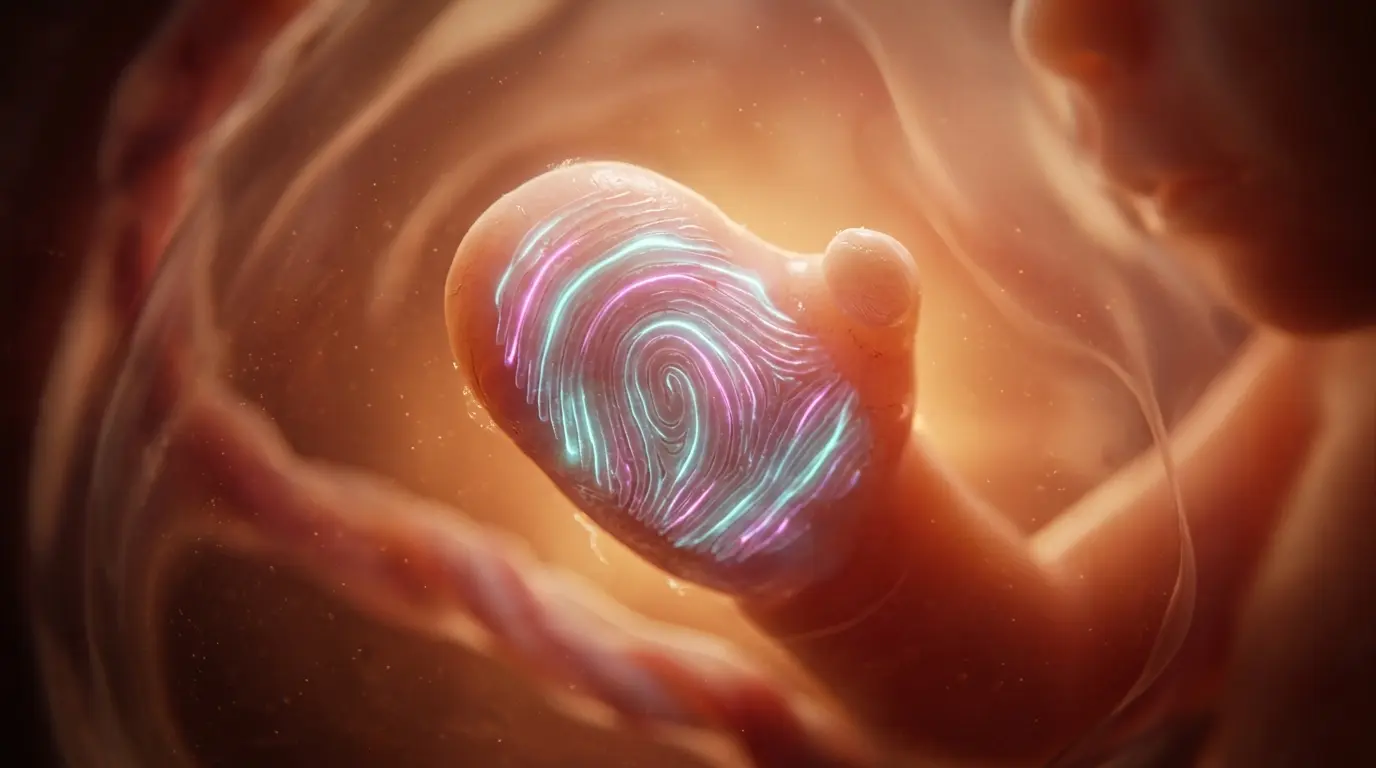
Every human being on Earth possesses a completely unique set of fingerprints. Even identical twins, who share an identical genetic blueprint, enter the world with distinctly different friction ridge patterns. For centuries, this biological mystery puzzled researchers: precisely how and when do these lifetime signatures form? The definitive answer unfolds deep inside the mother's womb during early fetal development.
Fetal Timeline: From Volar Pads to Primary Ridges
The groundwork for human fingerprints begins around the 10th week of gestation. At this early stage, transient swelling pads of mesenchymal tissue, known as volar pads, emerge on the tips of the fetus's fingers, palms, and soles.
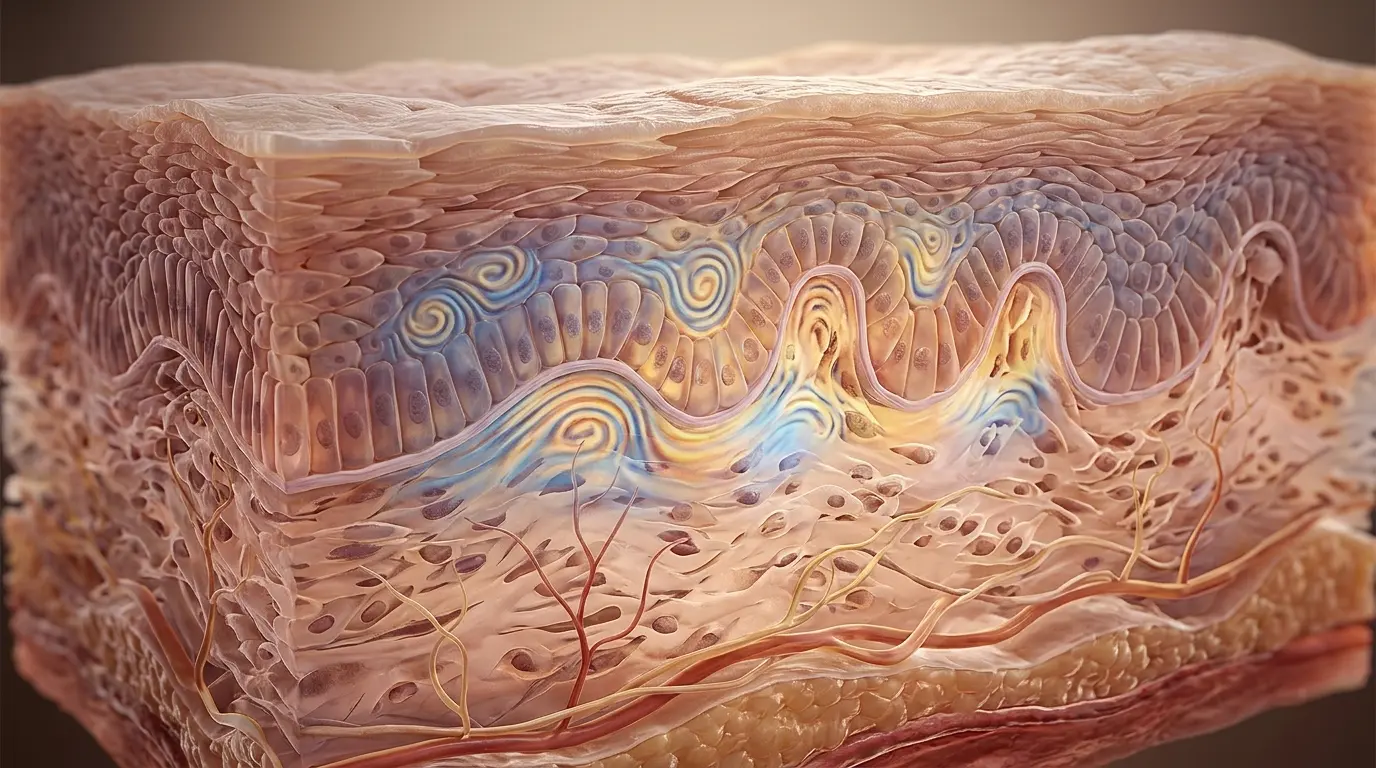
By the 13th week of pregnancy, the basal layer of the epidermis begins rapidly dividing and folding downward into the underlying dermis, initiating the creation of primary ridges. This critical morphogenetic phase accelerates through weeks 17 to 24. During this developmental window, the epidermal ridges anchor securely into the dermal papillae layer. Once established, this architectural blueprint is permanently locked. Even if an adult sustains superficial skin abrasions or burns, the original fingerprint pattern faithfully regenerates from this immutable dermal foundation.
The 2023 Breakthrough: Alan Turing’s Reaction-Diffusion System
A landmark study published in the journal Cell in February 2023 finally unraveled the molecular mechanisms orchestrating ridge development. Researchers demonstrated that fingerprint patterns are governed by a Turing reaction-diffusion system, a mathematical model of pattern formation originally proposed by Alan Turing in 1952.
This biological system operates via a continuous push-and-pull dynamic among three primary signaling molecules:
- WNT: The primary activator molecule that stimulates epidermal cell proliferation to build raised ridges.
- EDAR: An enhancer molecule that amplifies and sharpens local WNT signaling activity.
- BMP (Bone Morphogenetic Protein): An inhibitor molecule that counteracts WNT signals, stopping ridge overgrowth and dictating the precise spacing between ridges.
Intriguingly, the study revealed that nascent fingerprint ridges share cellular developmental machinery with early hair follicles, acting essentially as aborted hair follicles that halt development before generating actual hair strands.
The Collision of Three Molecular Waves
Rather than arising randomly across the fingertip, Turing reaction-diffusion waves radiate outward from three distinct anatomical initiation centers: the apex of the volar pad, the skin beneath the fingernail, and the distal joint flexion crease. As these molecular waves propagate and collide across the contoured fingertip surface—much like intersecting ripples in a pool of water—they fold into the classic fingerprint archetypes: arches, loops, or whorls.
Why Identical Twins Never Share Fingerprints
This dynamic wave-collision model explains why identical twins possess unique fingerprints despite having identical DNA. While genetics dictates the general signaling molecules, the intrauterine microenvironment introduces subtle physical noise. Slight differences in maternal blood flow, umbilical cord position, amniotic fluid currents, and fetal contact against the uterine wall exert mechanical forces on each developing finger.
A human fingerprint is an embryological marvel: the intersection of Turing mathematics, targeted genetic signaling, and chaotic intrauterine biomechanics that remain etched for a lifetime.