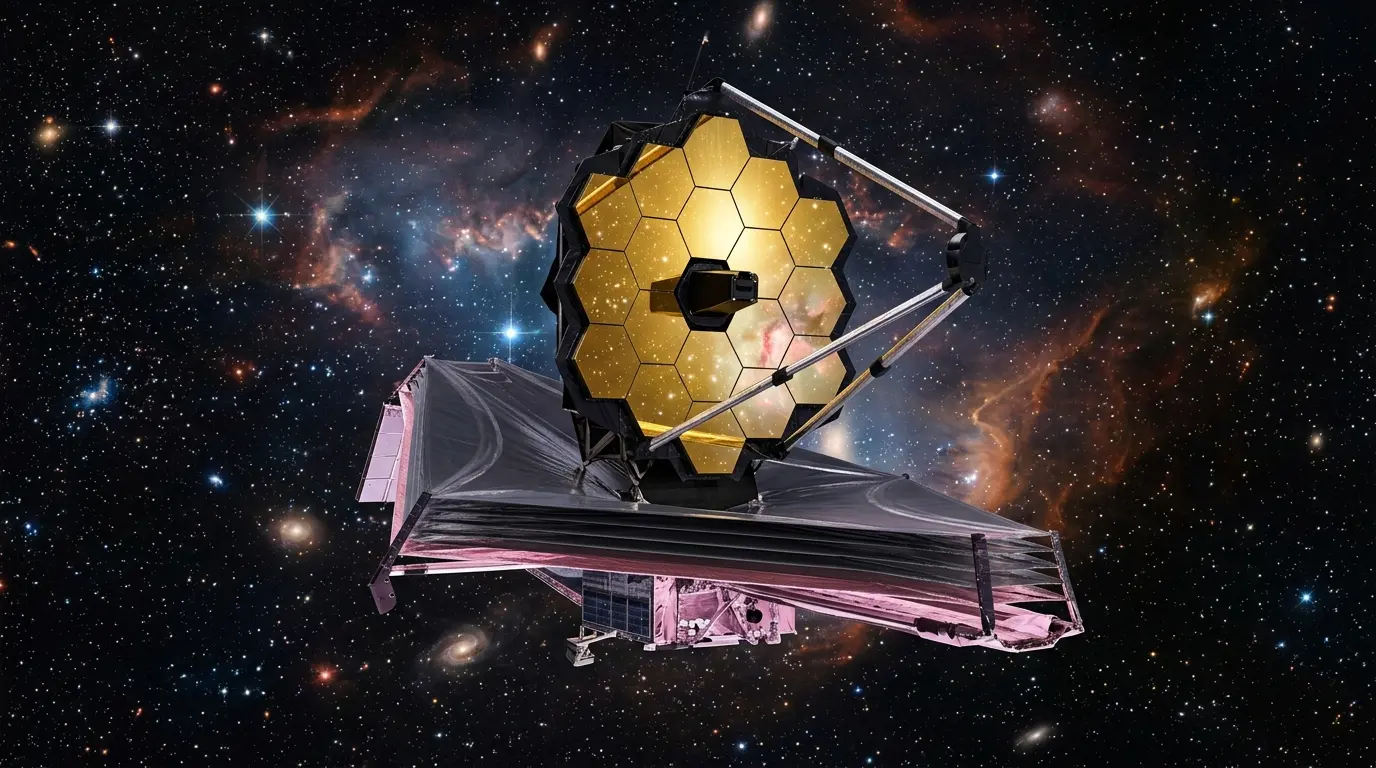
James Webb Telescope: Unlocking Ancient Infrared Light
Discover how the James Webb Space Telescope captures ancient infrared light from the earliest galaxies using gold-coated mirrors and redshift physics.

Curated daily educational articles, science breakthroughs, and curious discoveries.
Discover how the James Webb Space Telescope captures ancient infrared light from the earliest galaxies using gold-coated mirrors and redshift physics.
Discover the chemistry of why salt enhances food flavor, from selective bitterness suppression to aroma volatility driven by the salting-out effect.
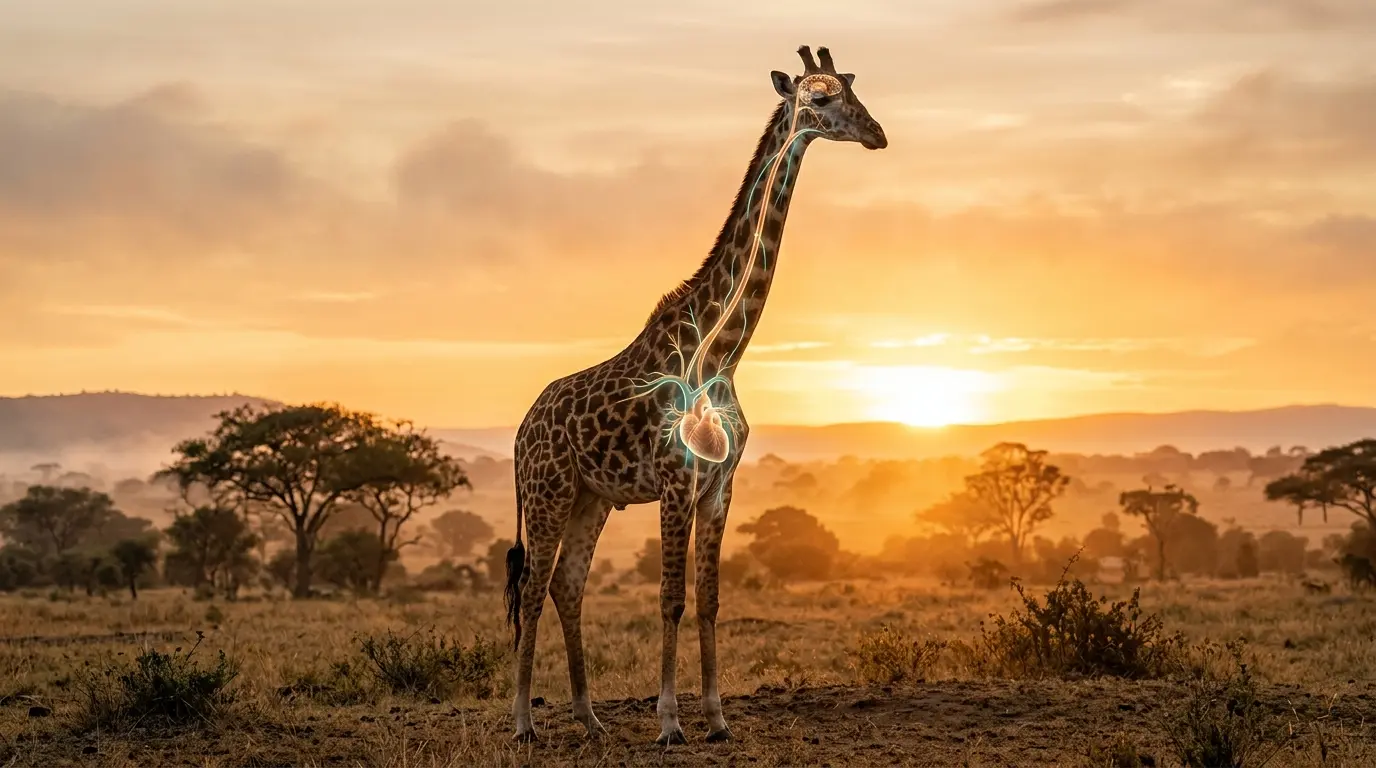
Discover how giraffes withstand extreme high blood pressure without heart failure or stroke through unique vascular adaptations and the FGFRL1 gene.
Discover how solar wind interacts with Earth's magnetosphere to trigger the stunning glowing ribbons of the aurora borealis in the polar skies.
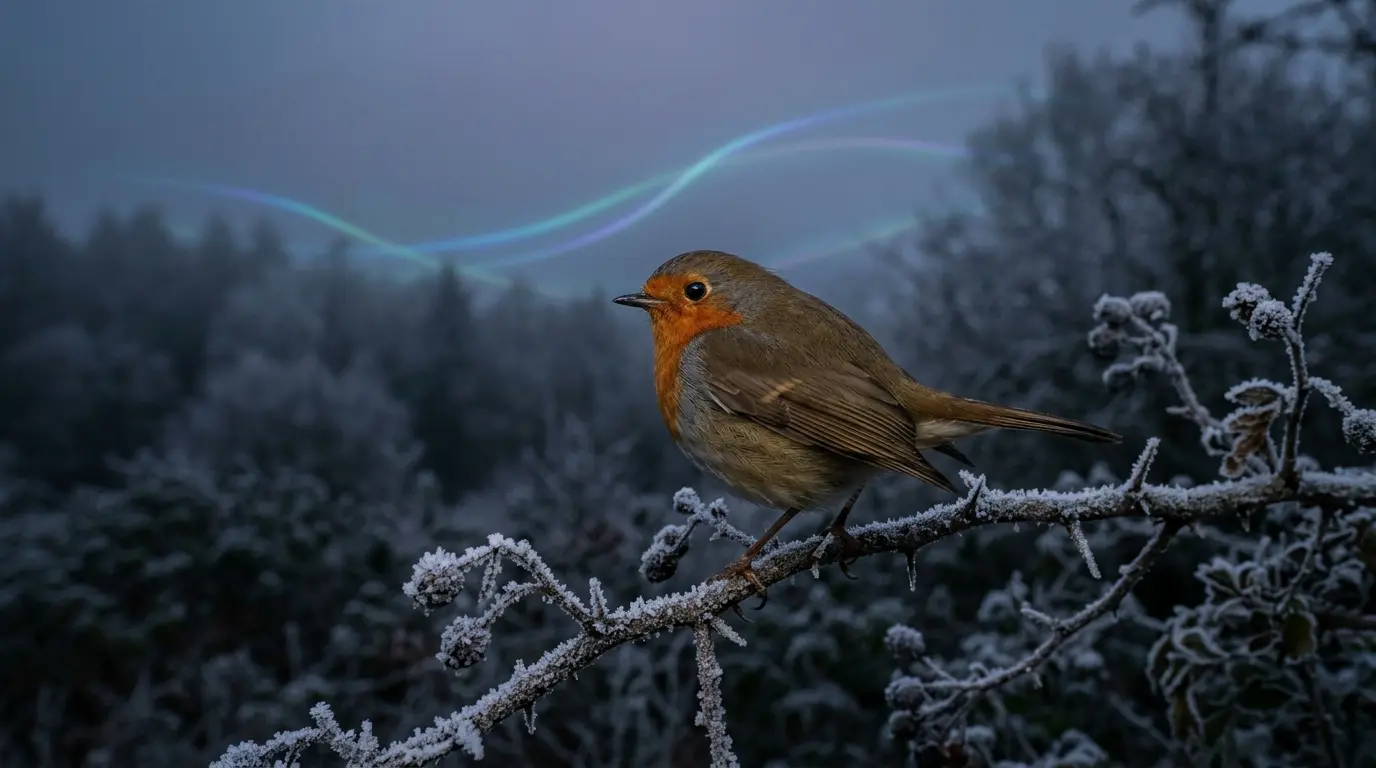
Discover how migratory birds navigate thousands of miles using retinal cryptochromes and Earth's magnetic field to reach their destinations with precision.
Discover the origins of the ancient Phoenician alphabet, a 22-letter phonetic script that revolutionized literacy and shaped modern writing systems.
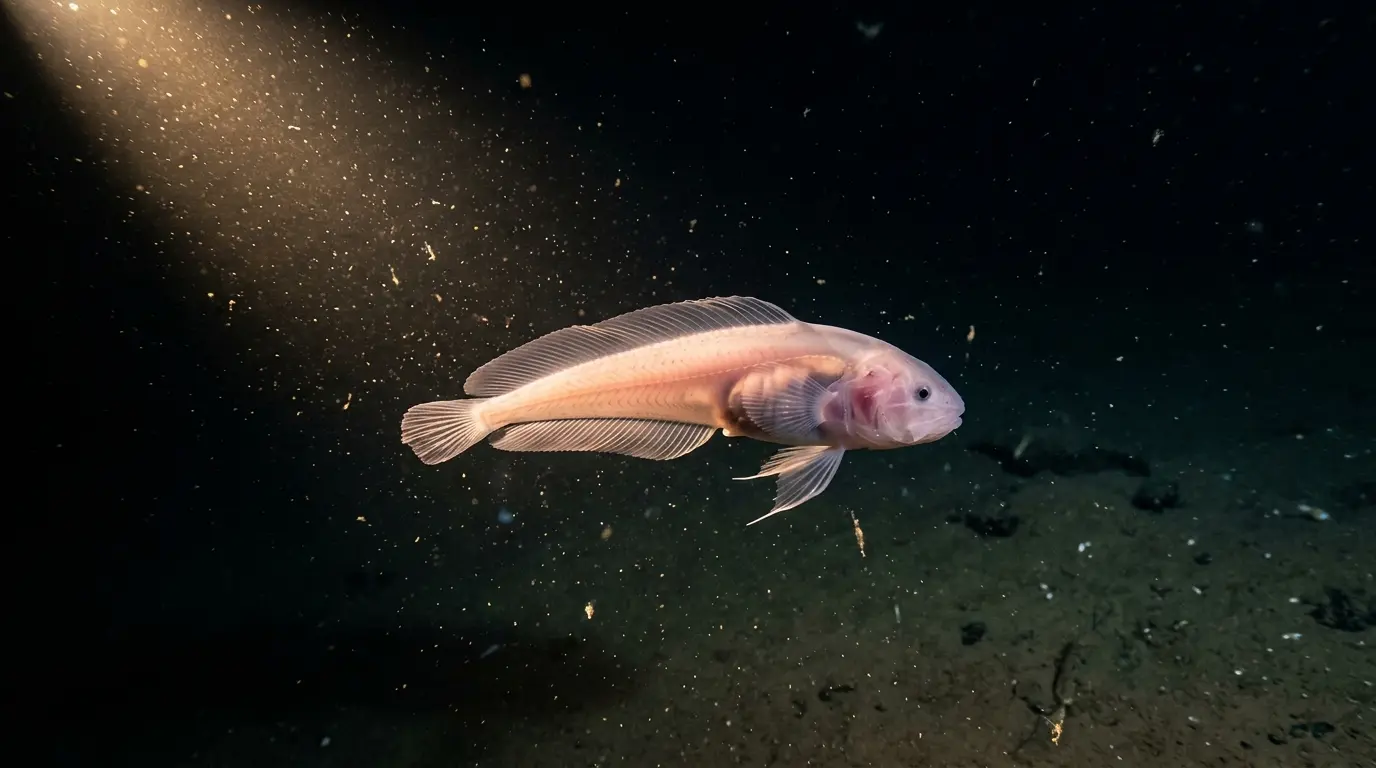
Explore the mysteries of the Mariana Trench and discover how deep-sea creatures survive crushing hydrostatic pressure and perpetual darkness.
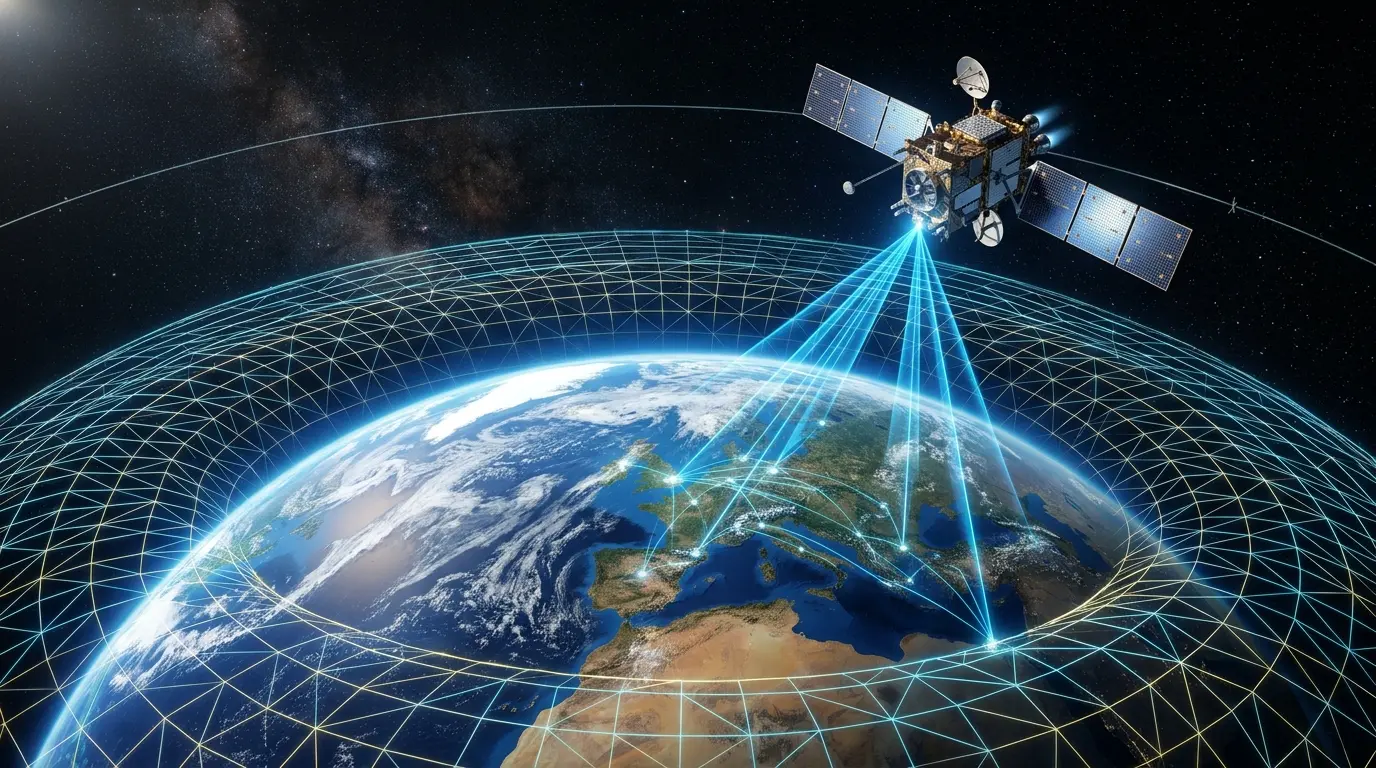
Discover how Einstein's theory of relativity prevents GPS satellites from drifting over 11 km daily, ensuring high precision for modern navigation.
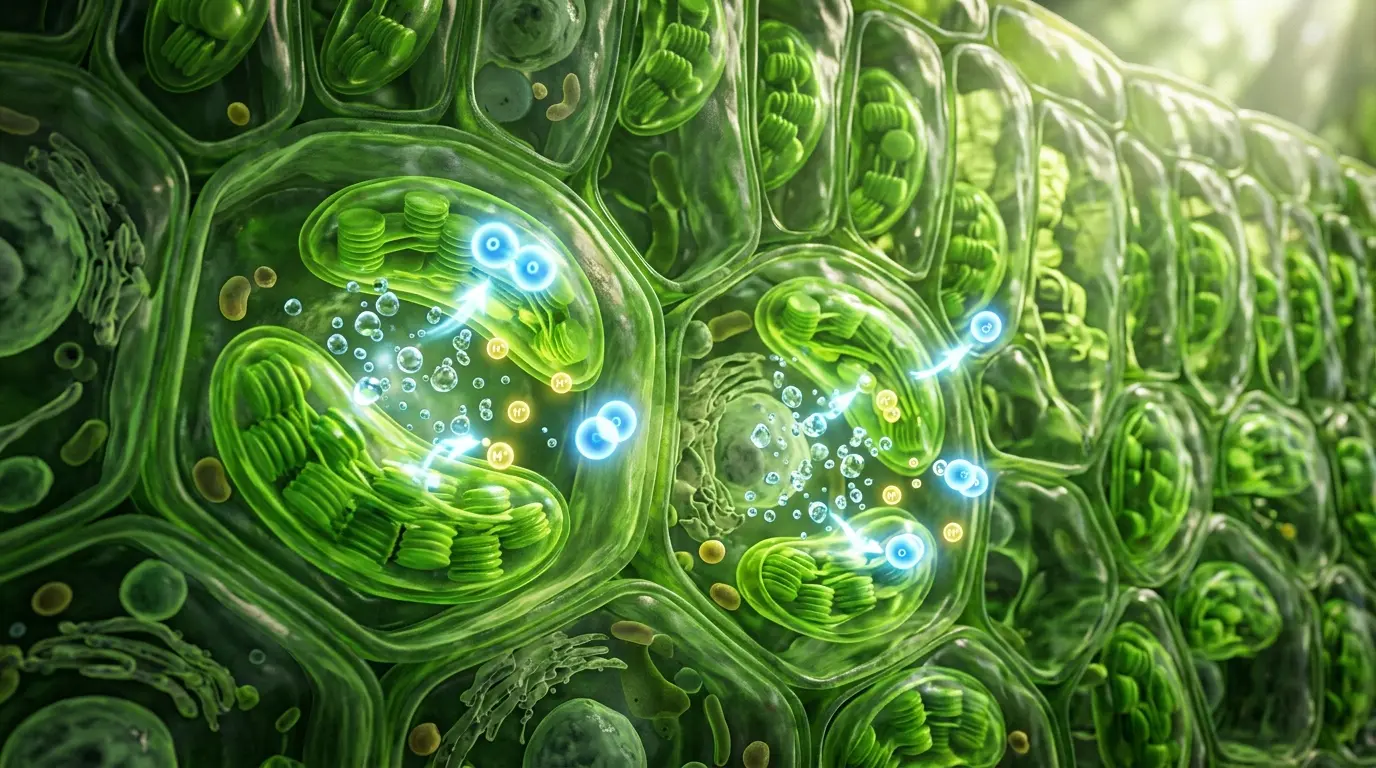
Discover how photosynthesis works and how chlorophyll in Photosystem II splits water molecules to release oxygen through photolysis.
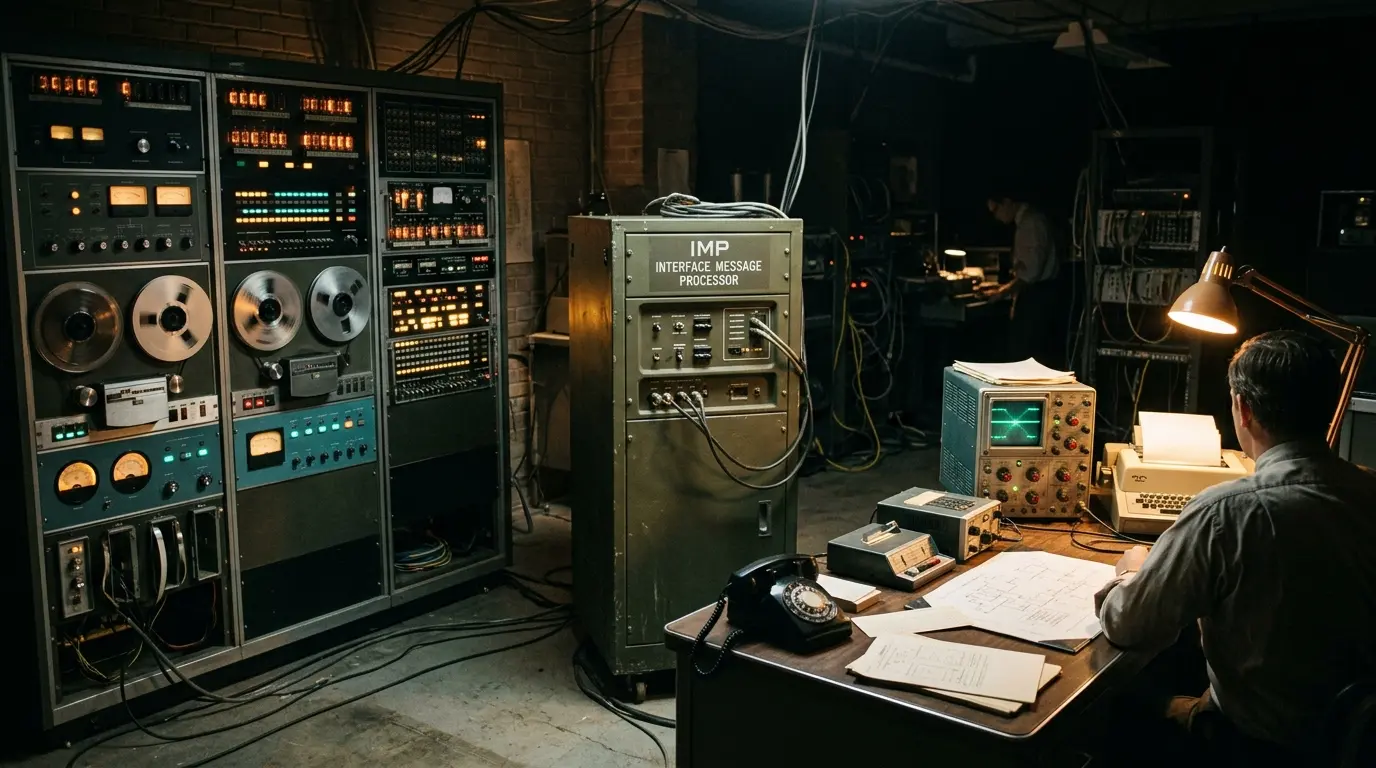
Explore the history of the internet from the 1969 ARPANET network, covering packet switching, early computer nodes, and the historic first 'LO' message.
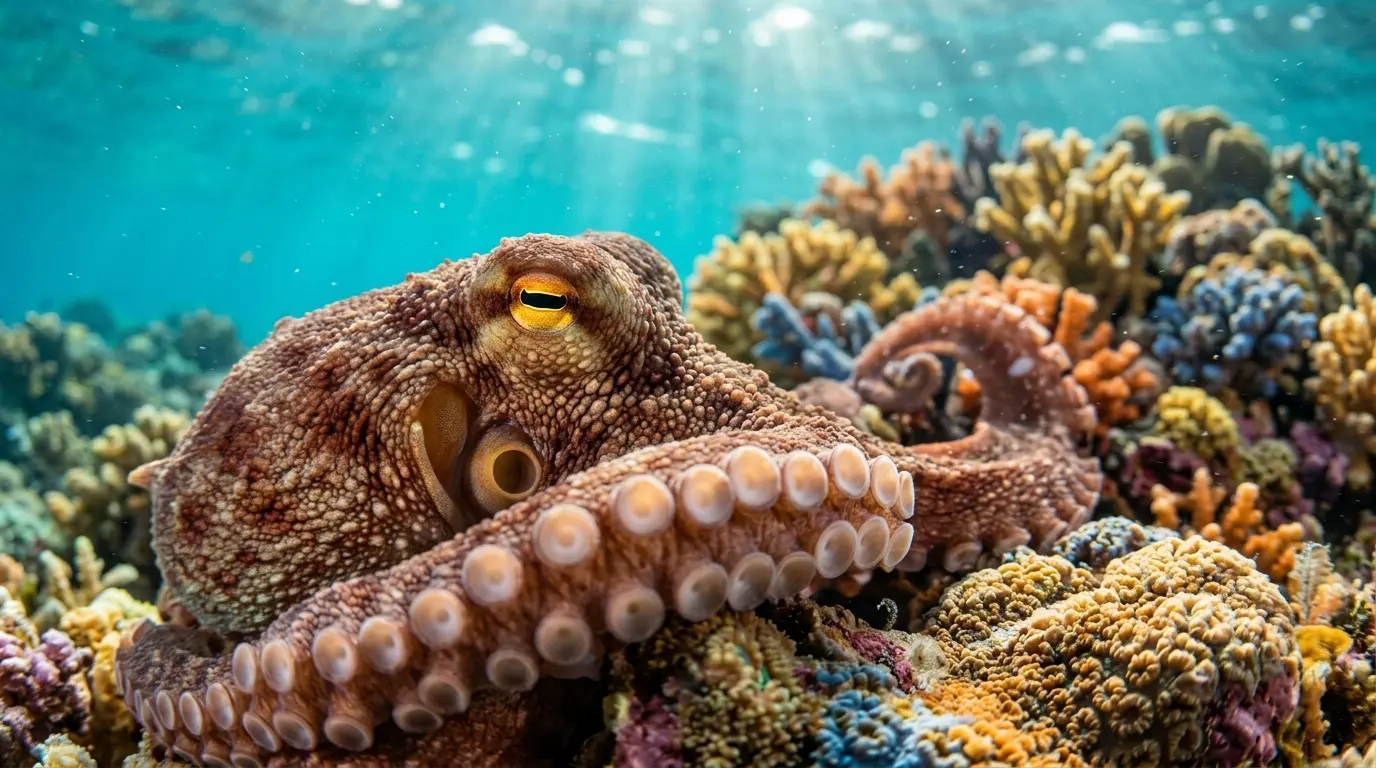
Discover the cognitive intelligence of octopuses and their distributed nervous system, where two-thirds of neurons operate within their arms.
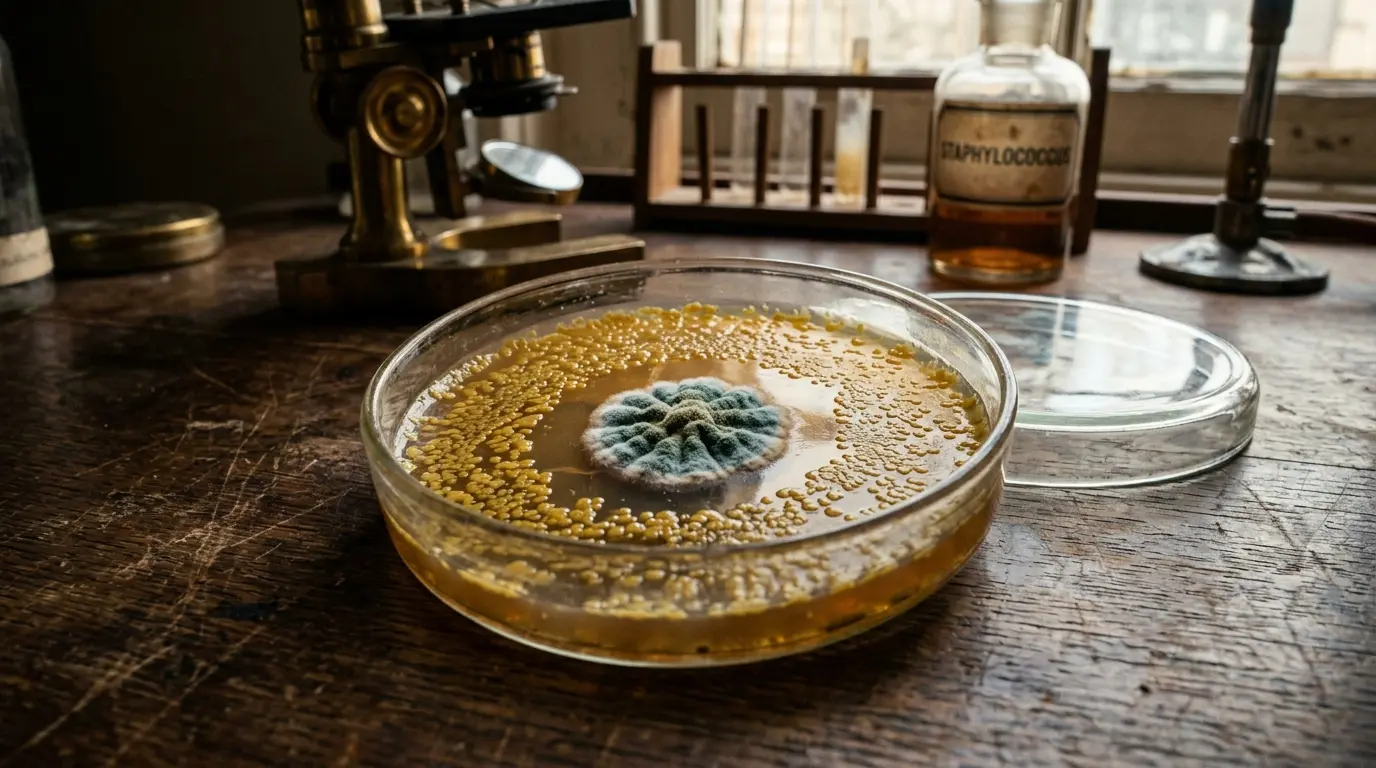
Discover how Alexander Fleming's 1928 penicillin discovery at St Mary's Hospital revolutionized medicine and launched the era of modern antibiotics.
Looking for the best Linktree alternative in 2026? Compare the top 7 fastest, free, and feature-rich link-in-bio platforms including GAS.PM, Bio.link, and Beacons.
Ever wondered why the daytime sky is blue? Discover how Rayleigh scattering, solar light wavelengths, and human eye perception create this phenomenon.
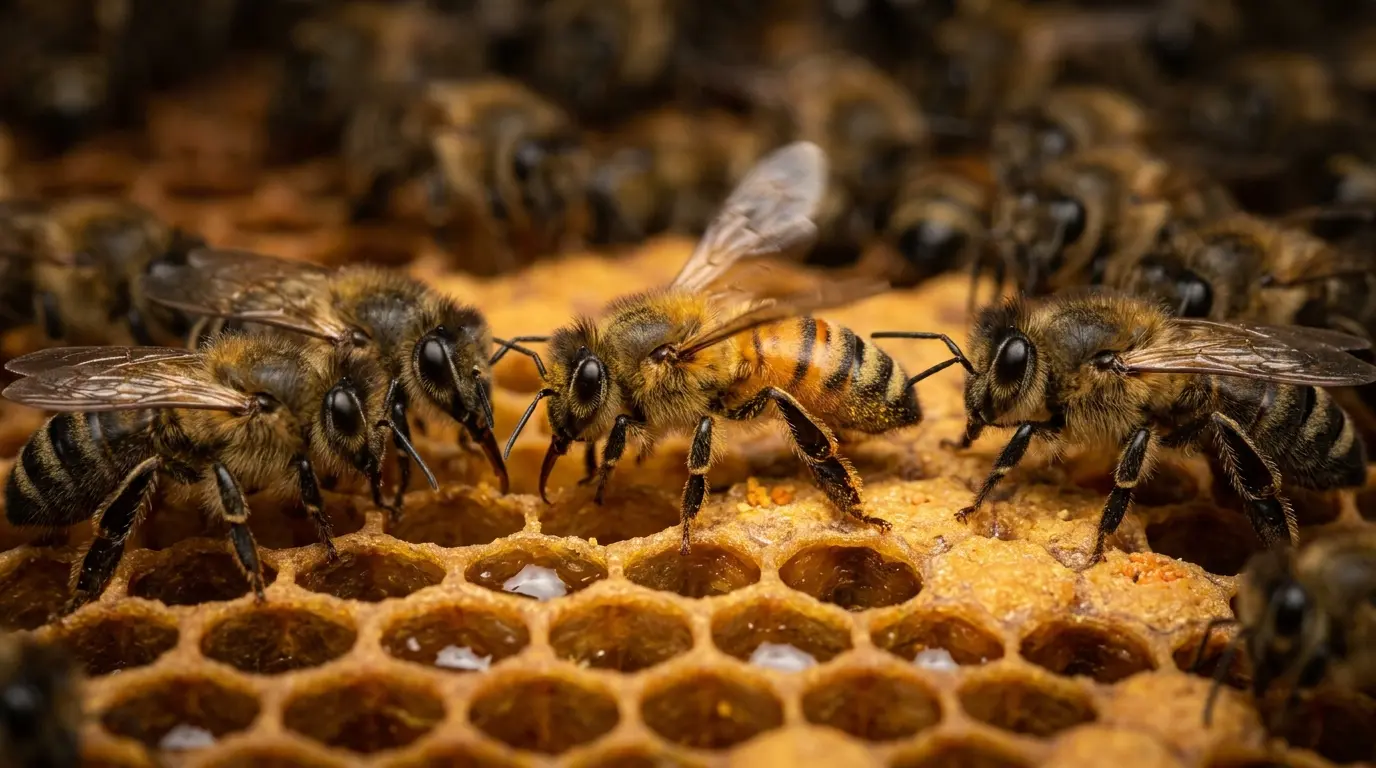
Discover how honey bees use the waggle dance to communicate the precise distance and direction of nectar sources to their colony.
Explore the remarkable biosonar echolocation and complex intelligence of bottlenose dolphins, from fatty melon sound focus to mirror self-recognition.