The Intricate Ecosystem of the Human Gut
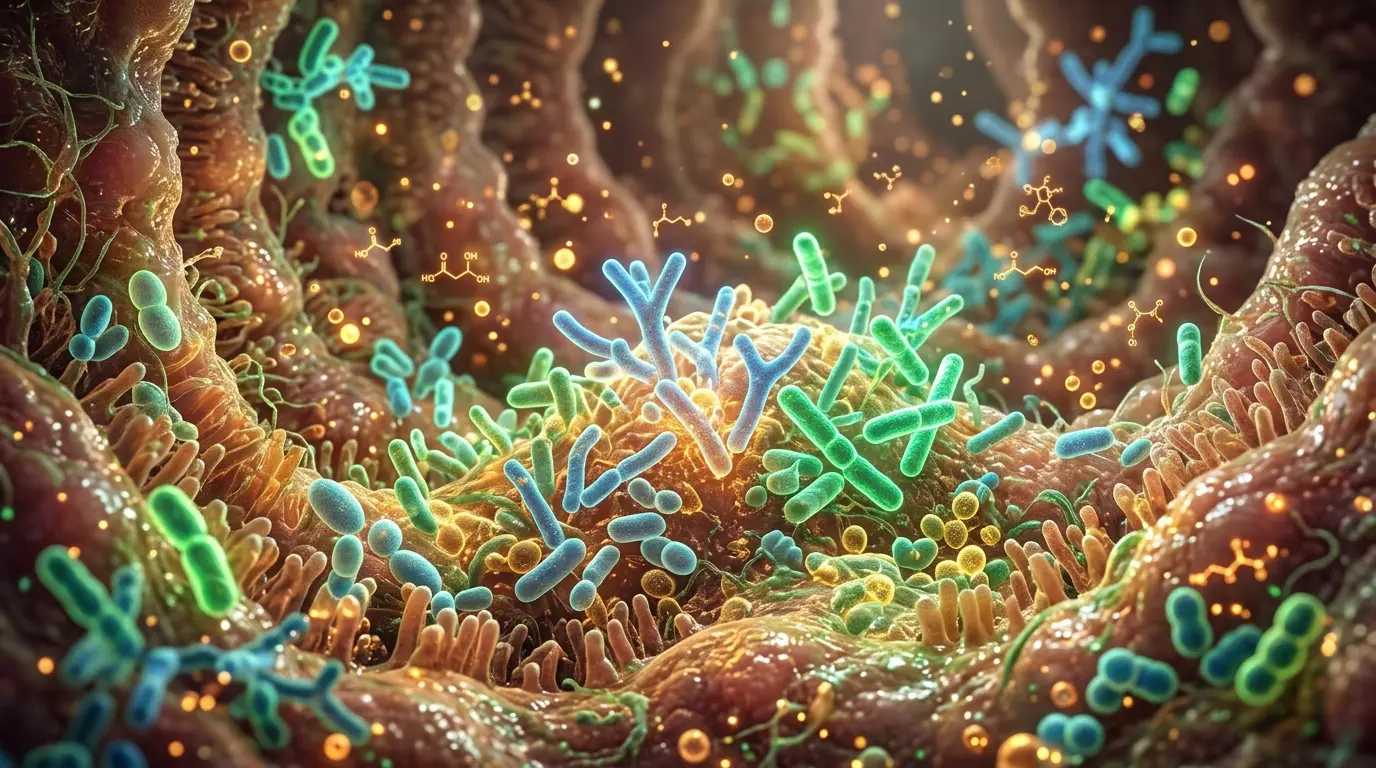
The human gastrointestinal tract is far more than an organ for food digestion and nutrient assimilation. It houses a vast, dynamic ecosystem of microorganisms collectively known as the gut microbiome. Comprising tens of trillions of microbial cells—predominantly belonging to the phyla Bacteroidetes and Firmicutes—this microscopic community lives in a profound mutualistic symbiosis with the human host.
Modern biomedical science demonstrates that microbial abundance in a standard adult reaches approximately 38 trillion cells, roughly matching or slightly exceeding the total count of human cells. Rather than passive passengers, these commensal microbes act as active metabolic partners, fermenting otherwise indigestible dietary fibers, synthesizing essential vitamins, and preserving overall physiological homeostasis.
The Epicenter of Immunity: Gut-Associated Lymphoid Tissue
One of the most striking findings in immunology is that approximately 70% to 80% of human immune cells reside within the gut, primarily concentrated in the Gut-Associated Lymphoid Tissue (GALT). In this microenvironment, gut bacteria perform an indispensable educational role for our immune defenses.
The gut microbiome serves as a continuous training ground for immune cells, establishing immune tolerance toward benign antigens while priming swift responses against dangerous pathogens.
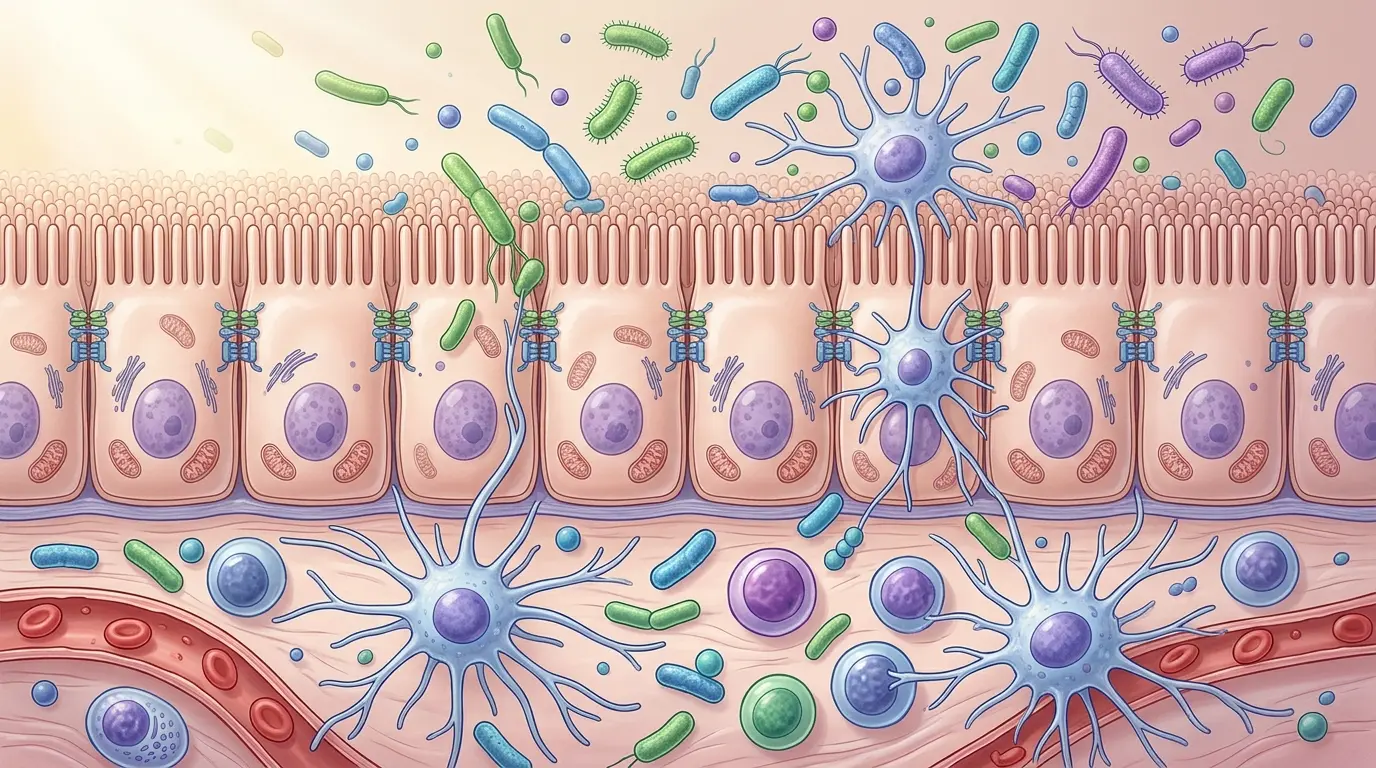
Through ongoing crosstalk with dendritic cells, macrophages, and mucosal lymphocytes, beneficial bacteria guide the immune system to distinguish harmless food proteins and symbiotic microbes from virulent invaders. Microbial imbalance, termed dysbiosis, disrupts this delicate immunological tuning, often triggering chronic low-grade inflammation or autoimmune vulnerabilities.
Biochemical Factories: Producing Short-Chain Fatty Acids
A primary biochemical mechanism linking the microbiome to human physical health is the bacterial fermentation of prebiotic dietary fibers into Short-Chain Fatty Acids (SCFAs). Three principal SCFAs perform specialized physiological functions:
- Butyrate: Serves as the primary metabolic fuel for colonic epithelial cells (colonocytes) and directly promotes the differentiation of regulatory T cells (Tregs) via histone deacetylase inhibition, keeping mucosal inflammation in check.
- Propionate: Migrates to the liver to help regulate hepatic gluconeogenesis, while modulating lipid synthesis and central satiety signaling.
- Acetate: The most abundant circulating SCFA, utilized by peripheral tissues for energy metabolism and lipid regulation across adipose tissue.
Reinforcing the Physical Barrier and Colonization Resistance
The intestinal epithelial barrier is the body's first physical line of defense against luminal toxins. Commensal bacteria stimulate goblet cells to secrete protective mucin and reinforce epithelial tight junction proteins, including claudins, occludin, and zonula occludens-1 (ZO-1). When barrier integrity fails, bacterial lipopolysaccharides (LPS) can enter the bloodstream, instigating metabolic endotoxemia and systemic inflammatory distress.
Furthermore, beneficial microbes safeguard host health through colonization resistance—outcompeting opportunistic pathogens for nutrient niches and producing antimicrobial peptides such as bacteriocins. Cultivating microbial diversity through a fiber-rich plant-diverse diet, fermented foods, restorative sleep, and regular physical activity remains one of the most effective strategies to fortify human immunity from within.