Understanding Circadian Rhythms and the Biological Master Clock
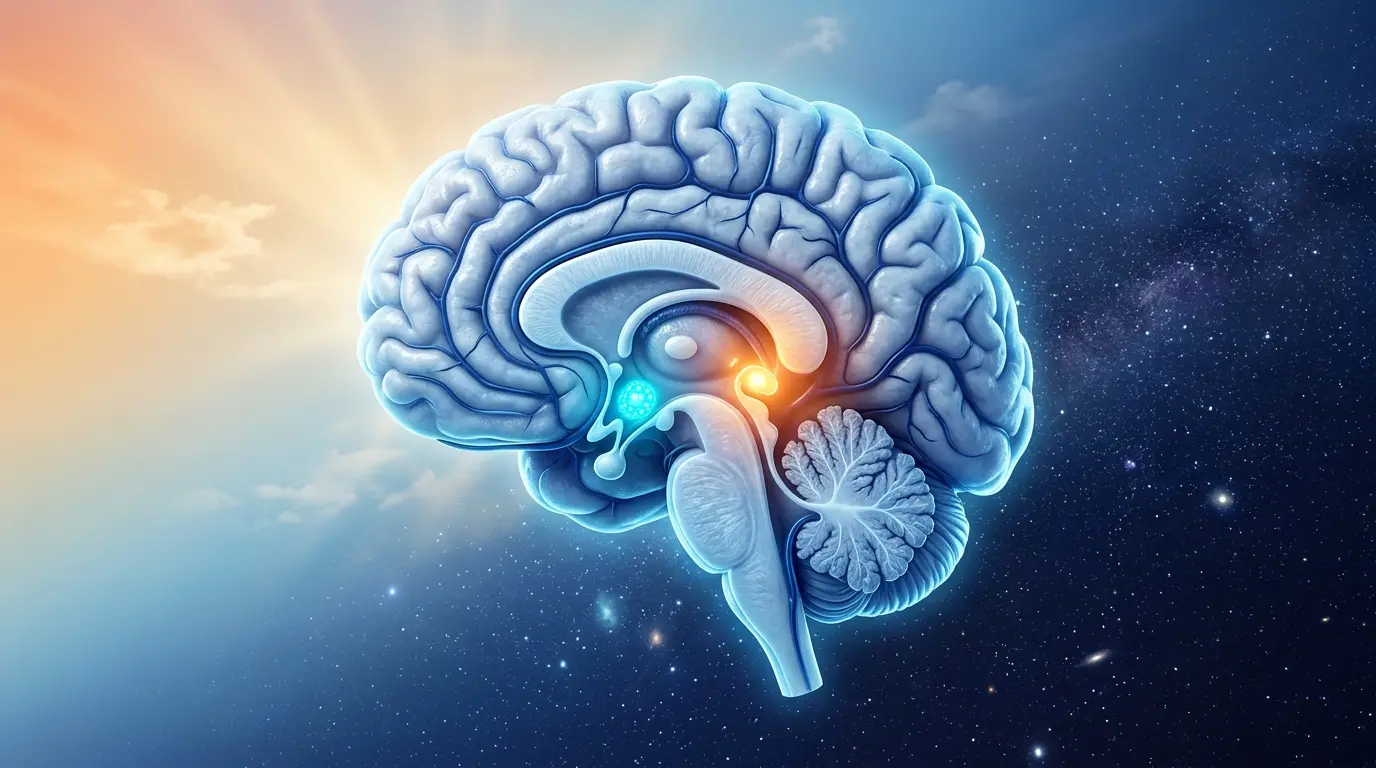
The human body functions according to endogenous 24-hour biological oscillations known as circadian rhythms. Derived from the Latin circa ("around") and diem ("day"), this internal timing network is orchestrated by a master pacemaker called the suprachiasmatic nucleus (SCN)—a compact cluster of approximately 20,000 neurons situated within the anterior hypothalamus of the brain.
The SCN synchronizes vital physiological activities, including core body temperature fluctuations, endocrine hormone secretion, glucose metabolism, and the sleep-wake cycle. This master regulatory system ensures that cellular and organ functions operate optimally relative to external environmental photoperiods.
The Photobiological Pathway: From Retinal Receptors to the Pineal Gland
Circadian rhythms are continuously entrained by external environmental cues termed zeitgebers, with natural sunlight acting as the most potent signal. This sensory transduction operates through a distinct neurological circuit:
- Photon Detection: Specialized retinal cells known as intrinsically photosensitive retinal ganglion cells (ipRGCs) detect ambient light. These cells express the photopigment melanopsin, which exhibits peak sensitivity to short-wavelength blue light between 460 and 480 nanometers.
- Neural Transmission: Phototransduction signals travel along the retinohypothalamic tract (RHT) directly to the SCN.
- Autonomic Signaling: The SCN projects signals through the paraventricular nucleus, down the intermediolateral column of the spinal cord, and into the superior cervical ganglion.
- Pineal Inhibition: Postganglionic sympathetic fibers innervating the pineal gland (epiphysis cerebri) are regulated such that daytime light exposure actively represses melatonin synthesis.
Biosynthesis and Secretion Dynamics of Melatonin
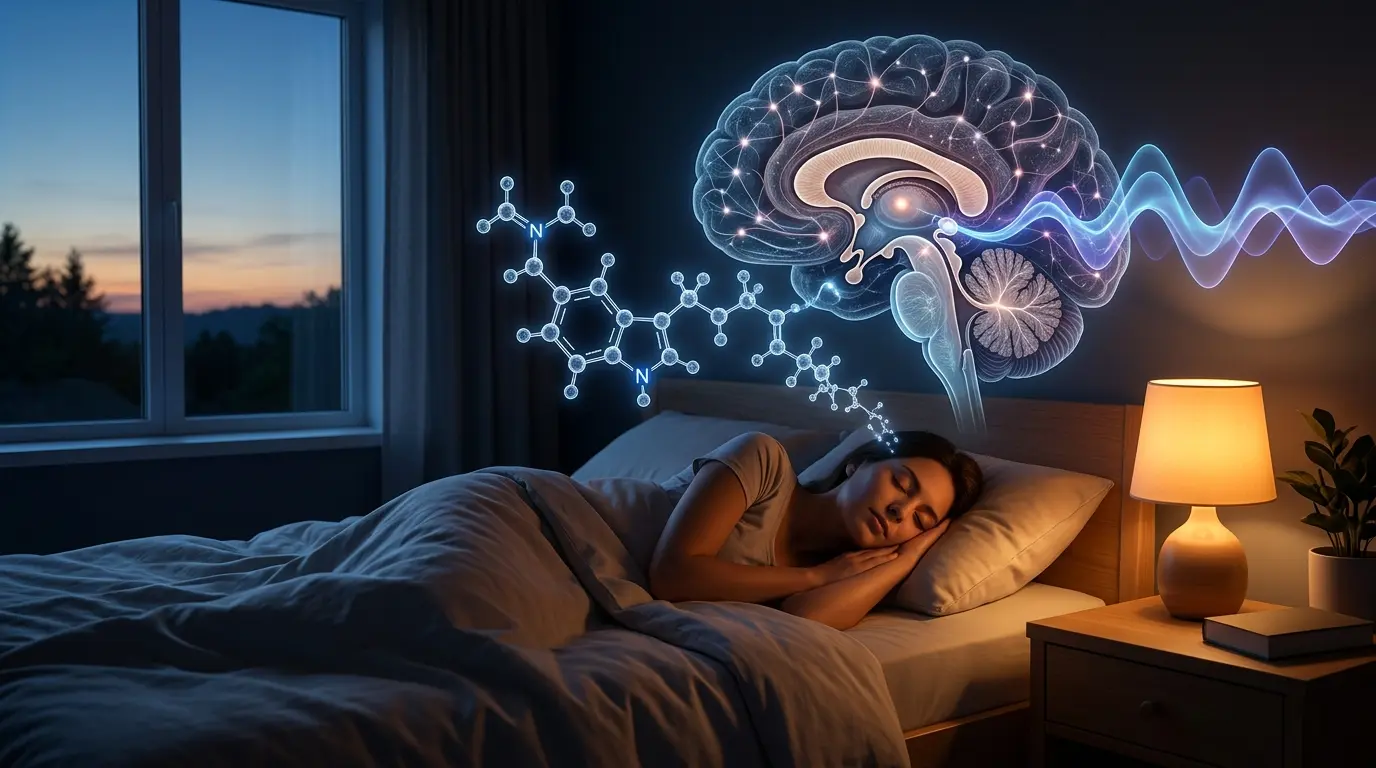
The hormone melatonin (N-acetyl-5-methoxytryptamine) is synthesized in pinealocytes through a multi-step enzymatic cascade. The process originates from the essential dietary amino acid L-tryptophan, which is hydroxylated to 5-hydroxytryptophan (5-HTP) and subsequently decarboxylated into serotonin. Under conditions of darkness, the rate-limiting enzyme arylalkylamine N-acetyltransferase (AANAT) is stimulated, converting serotonin into N-acetylserotonin, which is then methylated into melatonin by acetylserotonin O-methyltransferase (ASMT).
Melatonin secretion follows a precise temporal pattern. The Dim-Light Melatonin Onset (DLMO)—the biomarker marking the initial rise in circulating melatonin—typically occurs 2 to 3 hours before habitual bedtime. Serum concentrations peak during the middle of the biological night, generally between 2:00 AM and 4:00 AM, before declining precipitously toward dawn in response to photic stimulation.
Physiological Actions and Systemic Benefits of Melatonin
Melatonin exerts its effects by activating high-affinity G-protein coupled receptors, designated MT1 and MT2, situated in the SCN, cerebral blood vessels, and peripheral tissues. Key physiological roles include:
- Sleep Propensity Induction: Dampens cortical arousal and signals the biological onset of rest without acting as a central nervous system depressant.
- Core Temperature Regulation: Induces distal vasodilation in the extremities, facilitating heat dissipation and lowering core body temperature—an indispensable prerequisite for deep sleep entry.
- Direct Antioxidant Protection: Directly scavenges reactive oxygen species (ROS) and upregulates endogenous antioxidant enzymes such as superoxide dismutase and glutathione peroxidase.
A synchronized circadian rhythm and unimpeded melatonin secretion serve as the foundational bedrock for cellular rejuvenation, metabolic balance, and robust immune surveillance.
Mitigating Artificial Light Disruption and Restoring Balance
In modern society, nocturnal exposure to artificial light—particularly blue-enriched illumination from smartphone screens, monitors, and modern LEDs—strongly inhibits melatonin secretion and phase-shifts the circadian clock. Chronic circadian disruption is clinically correlated with increased susceptibility to sleep disorders, metabolic dysregulation, mood disturbances, and impaired immunity.
To preserve circadian alignment and natural melatonin production, scientific guidelines recommend securing 15–30 minutes of natural daylight exposure shortly after waking, dimming ambient lighting and avoiding digital screens 1–2 hours before bedtime, and maintaining a strict, consistent sleep schedule across all days of the week.