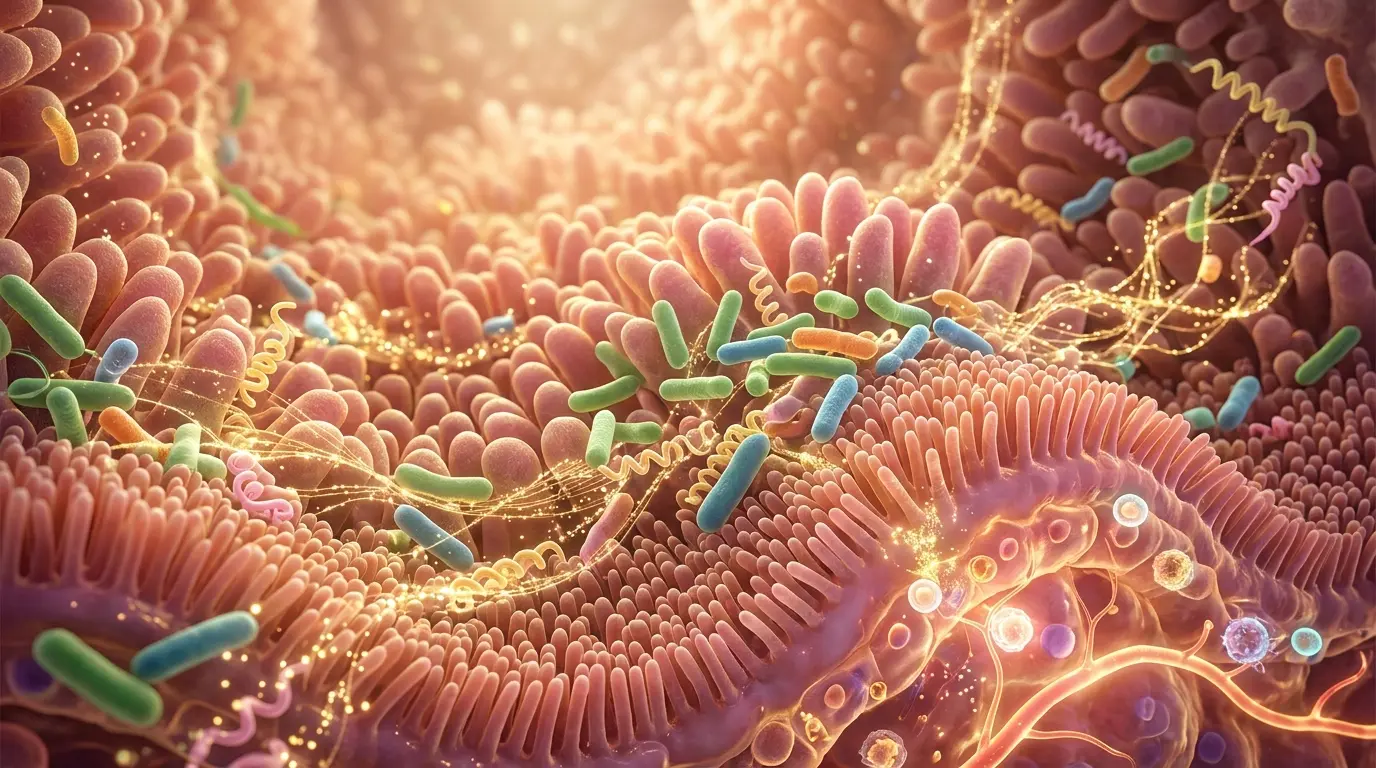
Within the human digestive tract resides a complex microscopic ecosystem comprising trillions of microorganisms, collectively known as the gut microbiome. Predominantly composed of beneficial bacteria from the phyla Bacteroidota and Bacillota, this symbiotic community co-evolved alongside humanity. Far from functioning merely as digestive facilitators, gut bacteria operate as a virtual metabolic organ that actively regulates immune defense, metabolic stability, and essential nutrient synthesis.
The Epicenter of Human Immune Defense
Immune Cell Training in the GALT
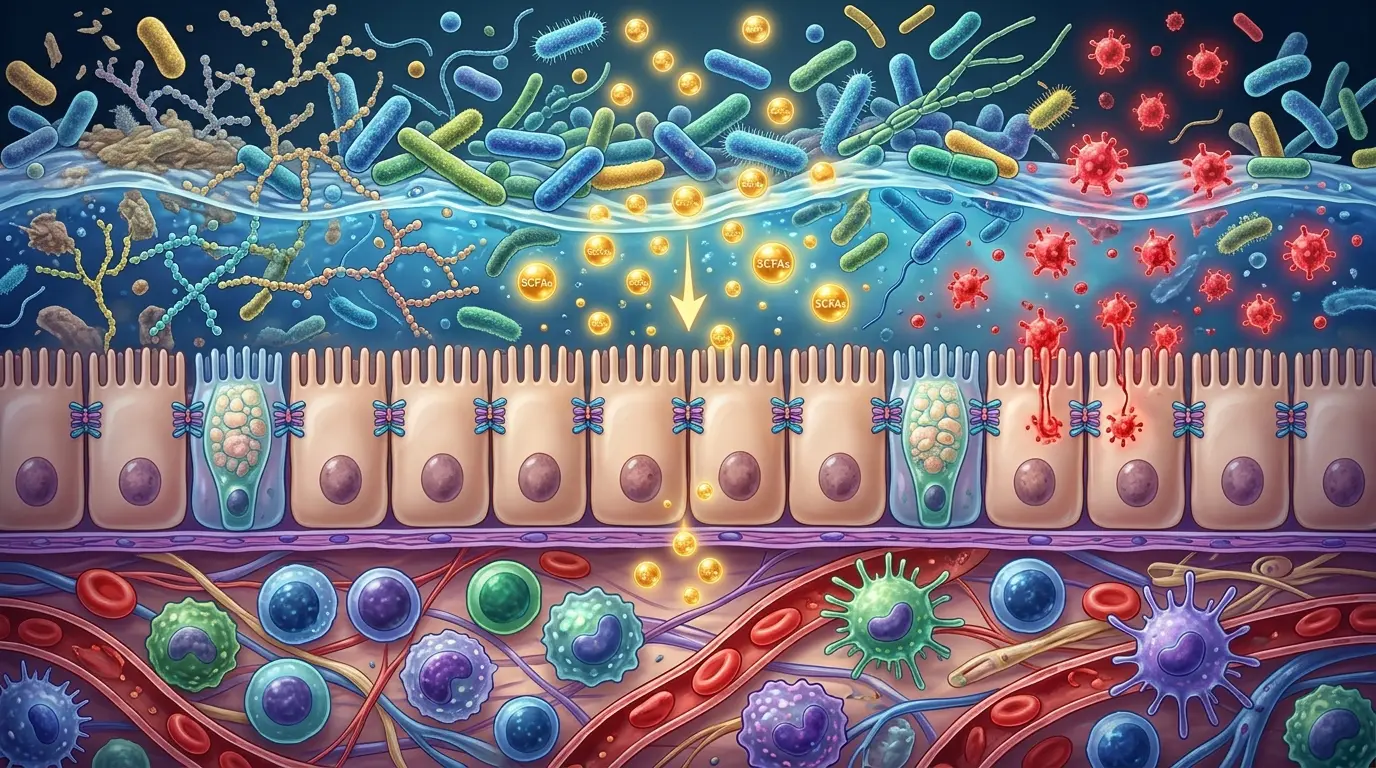
Modern immunological research demonstrates that approximately 70 to 80 percent of the human body's immune cells are housed within the gastrointestinal tract, specifically concentrated in the Gut-Associated Lymphoid Tissue (GALT). Within this critical defense zone, intestinal microbiota perform fundamental tasks:
- Lymphocyte Education: Commensal bacteria train adaptive immune cells to distinguish between harmful pathogenic antigens and innocuous substances, such as dietary nutrients and self-tissues.
- Regulatory T Cell Differentiation: Specific beneficial microbes induce the maturation of regulatory T cells (Tregs), which are crucial for dampening hyper-inflammatory cascades and preventing autoimmune reactivity.
- Pathogen Exclusion: By competing for epithelial receptor binding and nutrients, alongside producing bacteriocins, symbiotic bacteria block pathogen colonization and stimulate secretory immunoglobulin A (sIgA) secretion.
SCFA Synthesis and Physical Barrier Integrity
The Critical Role of Short-Chain Fatty Acids
When gut bacteria ferment dietary prebiotic fibers resistant to upper digestive enzymes, they synthesize vital bioactive metabolites termed Short-Chain Fatty Acids (SCFAs), predominantly acetate, propionate, and butyrate:
- Fueling Colonocytes: Butyrate provides up to 70 percent of the total cellular energy requirements for colonic epithelial cells, stimulating the synthesis of tight junction proteins such as occludin and zonula occludens.
- Preventing Metabolic Endotoxemia: A reinforced epithelial barrier prevents the translocation of bacterial lipopolysaccharides (LPS) into systemic circulation, thereby subduing chronic low-grade inflammation linked to insulin resistance.
- Micronutrient Biosynthesis: Symbiotic bacteria also synthesize vital micronutrients that human physiology cannot manufacture autonomously, including vitamin K2 (menaquinone) and B-complex vitamins such as biotin and folate.
"Ecological equilibrium within the gut microbiome (eubiosis) represents the cornerstone of systemic health; microbial disruption (dysbiosis) compromises immune tolerance and elevates vulnerability to chronic metabolic disorders."
Evidence-Based Strategies to Support Gut Flora
Microbial biodiversity is exceptionally dynamic and responds directly to everyday lifestyle choices. Science-backed strategies to sustain microbial balance include:
- Maximize Prebiotic Fiber Intake: Incorporate rich sources of inulin and fermentable fiber into your diet, including garlic, onions, oats, asparagus, and diverse legumes.
- Consume Unsweetened Fermented Foods: Ingest live active cultures from traditional tempeh, plain yogurt, kefir, and kimchi to seed and nurture diverse microbial strains.
- Exercise Prudent Antibiotic Use: Avoid unnecessary antibiotic consumption without a clear medical prescription to safeguard protective commensal colonies from collateral depletion.
Safeguarding gut microbiome biodiversity is an essential investment for maintaining lifelong immune competence and systemic physiological resilience.